

Auckland Northwest Busway Project Threatens Hundreds of Properties with Compulsory Acquisition
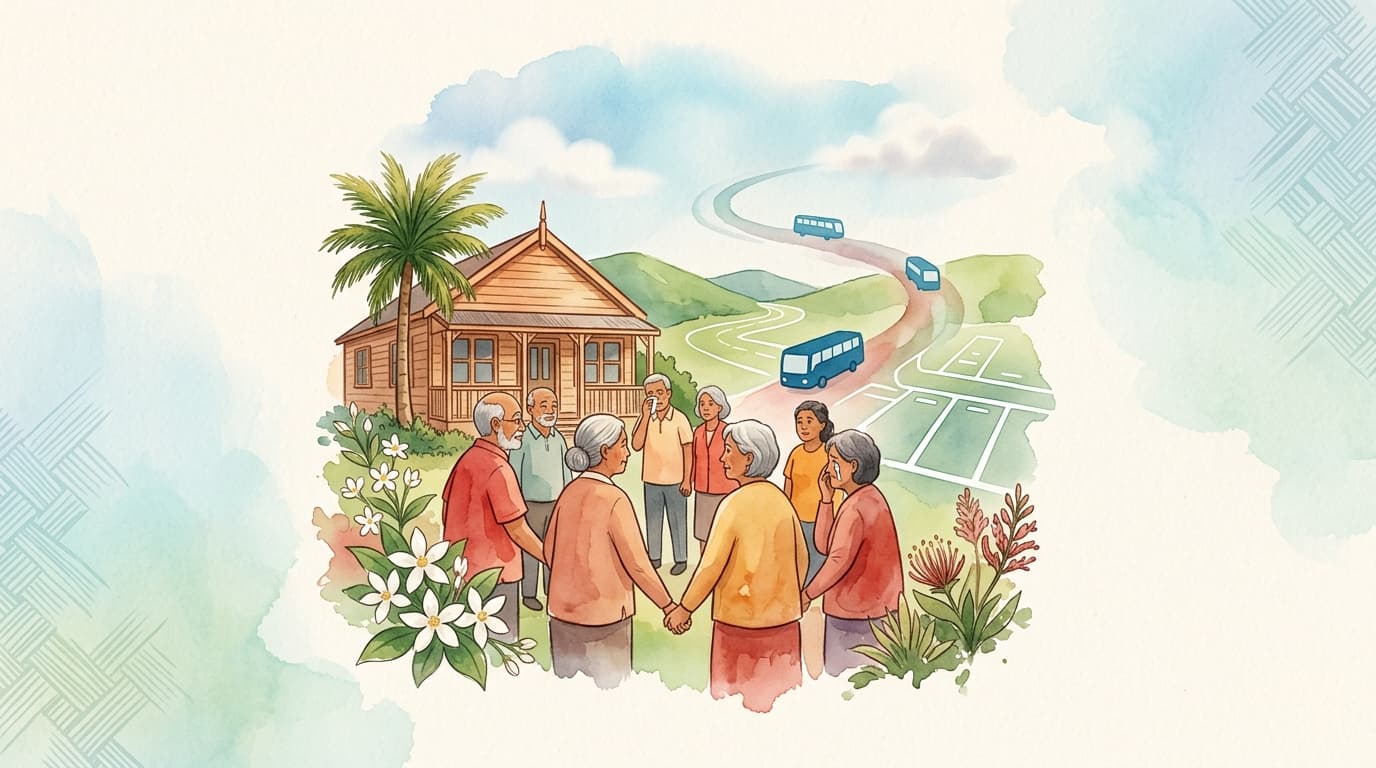
A major new public transport initiative, the multi-billion dollar Te Ara Hauāuru – Northwest Busway project in Auckland, is set to compulsorily acquire 240 properties along its route, causing significant distress for long-term residents in areas like Grey Lynn.
Auckland's ambitious Te Ara Hauāuru – Northwest Busway project is moving forward, but at a significant cost to local communities, with 240 properties identified for compulsory acquisition. The NZ Herald reported on June 15, 2026, that homeowners and tenants are grappling with the news that their properties will be purchased by the Crown under the Public Works Act to pave the way for this major infrastructure development. This situation presents considerable challenges for many Aucklanders, including Filipino families who have established homes and community ties in the affected areas.
One of the most impacted communities is Ivanhoe Road in Grey Lynn, where about half of its 60 homes, approximately 30 properties, are slated for demolition to build a busway interchange. Residents, many of whom have lived on the street for decades, express profound sadness and uncertainty about their future. For senior residents, the idea of packing up and finding new accommodation at this stage of life is particularly daunting, described as 'traumatic' and 'devastating.' This upheaval can be especially challenging for migrant families who often rely on stable housing and established community networks.
The Northwest Busway, endorsed by the NZ Transport Agency Waka Kotahi (NZTA) and proceeding under the Fast-track Approvals Act, is designed to create a rapid transit corridor alongside State Highway 16 between Brigham Creek and the city centre. This project is a crucial component of Auckland's strategy to address its rapidly growing population and increasing traffic congestion, which the Auckland Regional Land Transport Plan 2024-2034 identifies as a significant challenge.
While the project promises to ease commutes and improve public transport reliability for thousands of Aucklanders, including many Filipino workers and students, the immediate impact on displaced residents is severe. NZTA has already purchased around 20 properties for $40 million, with negotiations for the remaining acquisitions expected to take place in stages over the coming years. This process will continue to cast a shadow of uncertainty over many households, forcing them to navigate Auckland's competitive housing market to find new homes.
For Filipino households in Auckland, the prospect of property acquisition and displacement underscores broader challenges around housing affordability and stability in the city. Families may face difficulties securing new homes in familiar neighborhoods, potentially disrupting access to schools, workplaces, and community support systems. Kislap.com will continue to monitor the implications of such large-scale urban development projects on the well-being and settlement of the Filipino community in New Zealand.
Key facts
- The Northwest Busway project, endorsed by the NZ Transport Agency Waka Kotahi (NZTA), is slated to forcibly acquire 240 properties along its 18km route, as reported by the NZ Herald on June 15, 2026.
- Approximately 30 homes on Ivanhoe Road in Grey Lynn, a central Auckland suburb, are among those facing demolition to make way for a Western Springs busway interchange.
- Properties will be acquired under the Public Works Act, displacing residents—some of whom have lived in their homes for decades—who find the prospect of relocating "devastating" and "traumatic."
- The busway aims to link Auckland's CBD with its western suburbs, providing fast public transport and alleviating severe congestion on the Northwestern Motorway, a critical goal highlighted in the Auckland Regional Land Transport Plan 2024-2034.
Official sources
Kislap reports this story for general information only. Nothing here is immigration, legal, financial, tax, medical, employment, or other professional advice; check official sources and speak with a qualified professional before acting.
Discuss this story
Install on your websiteAdd context, ask questions, or share verified updates that help readers understand this story.