

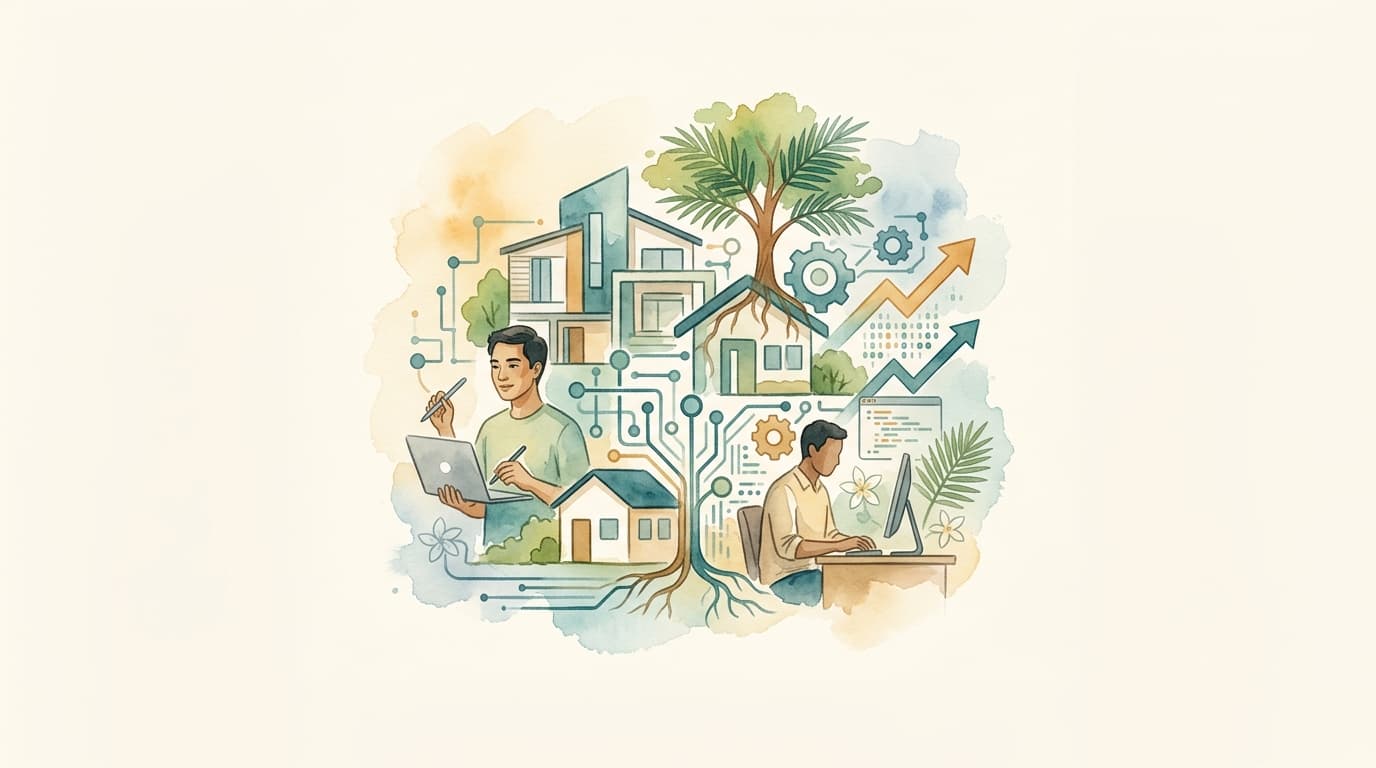
Australian Housing Policy Risks Harming Startup Economy, Affecting Filipino Tech Workers and Founders
New Australian housing policies, aimed at boosting supply, risk unintended negative consequences for the nation's startup economy, potentially impacting job opportunities for Filipino tech professionals and the growth of Filipino-led ventures.
An opinion piece published on Startup Daily on May 12, 2026, suggests that new housing policies introduced by the Australian government, while aiming to solve affordability issues, could inadvertently harm the nation's vibrant startup economy. The article highlights concerns that these policies might create more problems, particularly for Australia's "digital builders" – the innovative startups driving technological advancement. For Filipino entrepreneurs and tech professionals in Australia, and those considering migrating, this potential disruption to the startup ecosystem warrants close attention.
The argument posits that changes in housing policy could exacerbate existing challenges for startups, such as securing adequate funding and retaining skilled talent. A stable and attractive economic environment, including accessible housing, is crucial for drawing and keeping the brightest minds needed for innovation. Filipino tech workers, who often seek opportunities in Australia's burgeoning digital sector, could find their career prospects indirectly affected if the startup economy faces significant headwinds.
Housing affordability and availability are critical factors for Filipino migrants. According to the 2021 Australian Census, 293,892 individuals born in the Philippines resided in Australia, forming a substantial part of the multicultural fabric. The census also indicated a median weekly rent of $380 in 2021, illustrating the cost of living considerations that families and individuals weigh when settling in Australia, as noted by the Australian Bureau of Statistics.
Furthermore, Australia's strategic partnership with the Philippines includes cooperation on cyber and critical technology, as highlighted by a February 2024 Memorandum of Understanding between the two governments. This partnership aims to foster innovation and a secure digital economy, attracting talent and investment. If Australian startups struggle due to domestic policies, it could indirectly impact the collaborative goals and reduce opportunities for Filipino tech talent seeking to contribute to or benefit from Australia's tech growth.
The health of the Australian startup sector is also important for international talent. Australia's migration trends show an active skill stream visa program, which is essential for attracting professionals globally, including from the Philippines, as detailed in reports like "Australia's Migration Trends, 2024–25" from the Department of Home Affairs. A robust and growing startup economy is key to creating and sustaining the jobs that these skilled migrants fill. Therefore, the implications of housing policy on startups extend beyond immediate economic concerns, touching on long-term workforce development and immigration pathways.
Key facts
- Australia's proposed housing policy changes, while intended to improve affordability, are argued by some to undermine the country's startup ecosystem.
- Concerns are raised that these policies could worsen funding access and talent retention for digital startups, crucial for economic innovation.
- As of 2021, 293,892 people born in the Philippines lived in Australia, highlighting a significant community for whom housing and job market stability are key concerns.
- Australia's migration program, including skill stream visas, attracts global talent, making the health of the startup sector and housing market critical for future immigration.
Official sources
Kislap reports this story for general information only. Nothing here is immigration, legal, financial, tax, medical, employment, or other professional advice; check official sources and speak with a qualified professional before acting.