

Health and safety for small businesses
May 3, 2026How to make practical safety habits visible in small teams, kitchens, stores, salons, and vans.
Start with the work people actually do: cooking, lifting boxes, driving, using chemicals, handling cash, cutting hair, loading vans, or setting up events. List the main things that could harm workers, customers, or visitors.
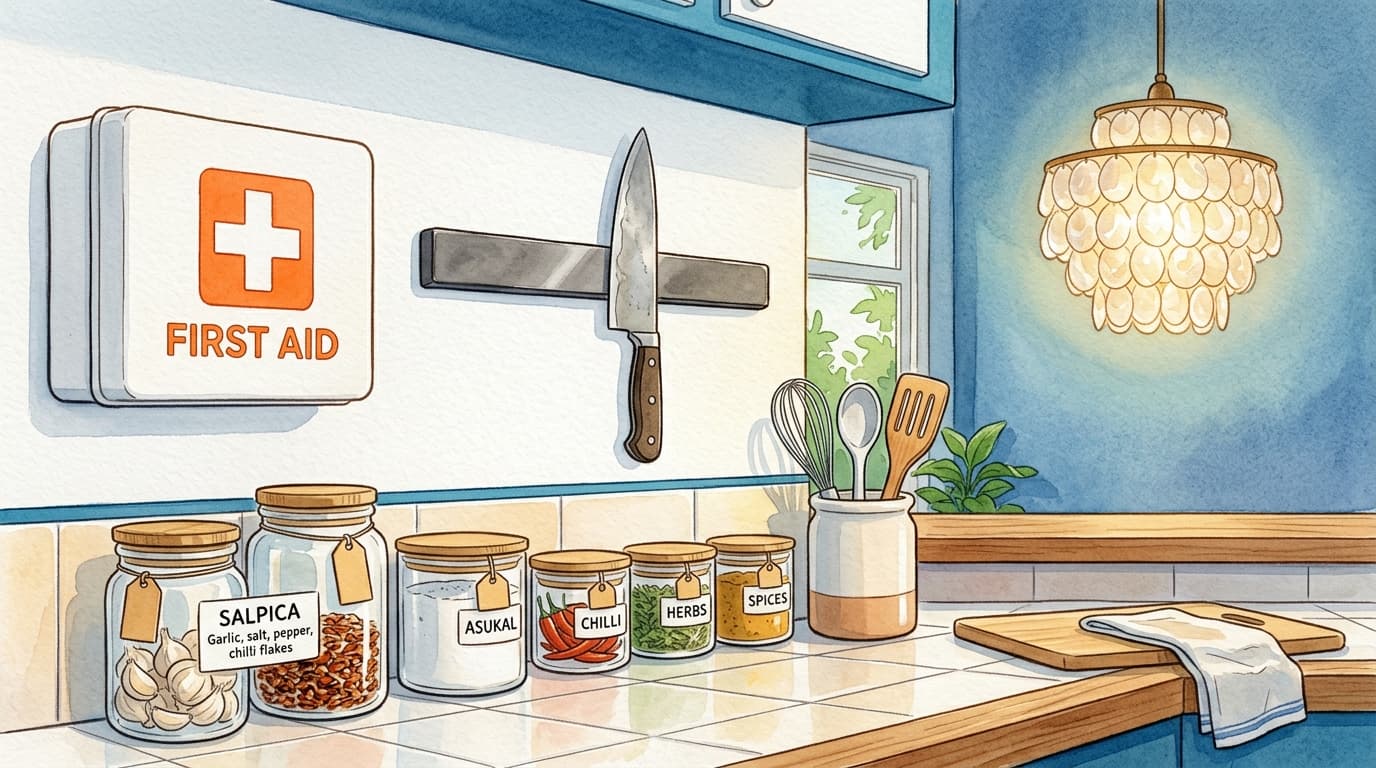
Create simple controls: labelled chemicals, safe knife storage, delivery lifting rules, burn prevention, driver fatigue checks, clean walkways, first aid supplies, and incident reporting.
Review after busy periods. If someone nearly slipped, a freezer failed, or an event setup felt unsafe, update the checklist before the next job.
Key facts
- WorkSafe guidance for small businesses uses a plan-do-check-act approach to identify, assess, and manage health risks.
- Health and safety duties apply even when a business is small, mobile, home-based, or family-run.
Official sources
Kislap publishes this resource for general information only. Nothing here is immigration, legal, financial, tax, medical, employment, or other professional advice; check official sources and speak with a qualified professional before acting.