
New Zealand Greens Propose Free and Capped Public Transport, Major Infrastructure Investment
The Green Party in New Zealand has unveiled a comprehensive transport plan that includes making public transport free for eligible groups and capping fares at $2 for all others, alongside significant investments in rapid transit infrastructure nationwide. This proposal aims to reduce living costs, cut emissions, and improve quality of life for New Zealanders, including Filipino residents.
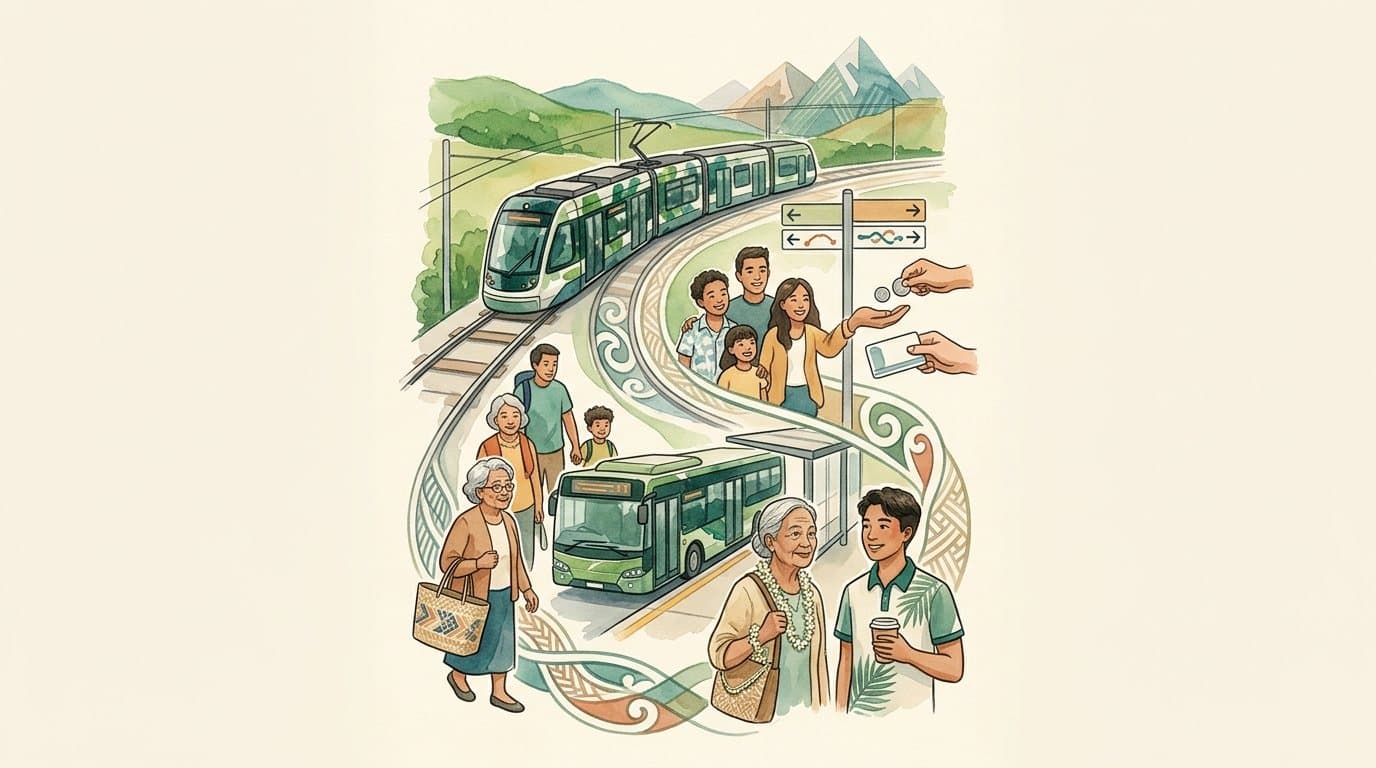
The Green Party's new transport policy, announced on October 4, 2026, aims to make public transport more accessible and affordable across New Zealand. Key proposals include offering free fares for eligible groups such as children, students, apprentices, Community Service Card holders, and Total Mobility users. For all other commuters, bus and train fares would be capped at $2, a measure designed to alleviate cost-of-living pressures for Filipino families and individuals.
Beyond fare adjustments, the plan includes substantial infrastructure investments. The party pledges to build mass rapid bus and light rail services in Auckland, Wellington, and Christchurch, enhance inter-regional and rural bus services, and reintroduce overnight passenger trains. This ambitious vision, costing an estimated $23.9 billion, seeks to create a fast, frequent, and reliable transport network, reducing reliance on fossil fuels and improving overall quality of life.
Greens co-leader Chlöe Swarbrick highlighted the recent success of Auckland's City Rail Link (CRL), noting its high usage since opening as proof that accessible infrastructure drives adoption. While the plan's full fiscal details are pending, Swarbrick mentioned a wealth tax as a potential funding source. Discussions around free public transport are also present in other regional contexts, with Hansard records from Victoria, Australia, indicating ongoing parliamentary discussions on the benefits and feasibility of making public transport permanently free or offering half-price fares to residents.
For Filipino residents in New Zealand, these proposed changes could significantly impact daily commutes and household budgets. Students and families holding Community Service Cards stand to benefit from free travel, while capped fares offer predictability for all users. Improved and expanded public transport services could also open up new employment and educational opportunities, particularly in rapidly growing urban centers, while reducing daily expenses for many.
The policy is intended to address immediate cost-of-living challenges and build future-proof infrastructure, with some elements like light rail networks potentially taking a decade to implement, all subject to the Infrastructure Commission's assurance process.
Key facts
- New Zealand's Green Party proposes free public transport for children, students, apprentices, Community Service Card holders, and Total Mobility users, with a $2 fare cap for everyone else.
- The plan allocates approximately $21 billion for new mass rapid bus and light rail services in major cities like Auckland, Wellington, and Christchurch.
- Total funding for the transport plan is estimated at $23.9 billion, to be financed partly through a wealth tax, with full details forthcoming.
- Similar discussions about free or half-price public transport have been ongoing in Australian jurisdictions, such as Victoria, highlighting a broader regional focus on transport affordability.
- The Green Party projects these investments will reduce daily stress and save New Zealanders money and time amidst ongoing fossil fuel crises.
Official sources
Kislap reports this story for general information only. Nothing here is immigration, legal, financial, tax, medical, employment, or other professional advice; check official sources and speak with a qualified professional before acting.