

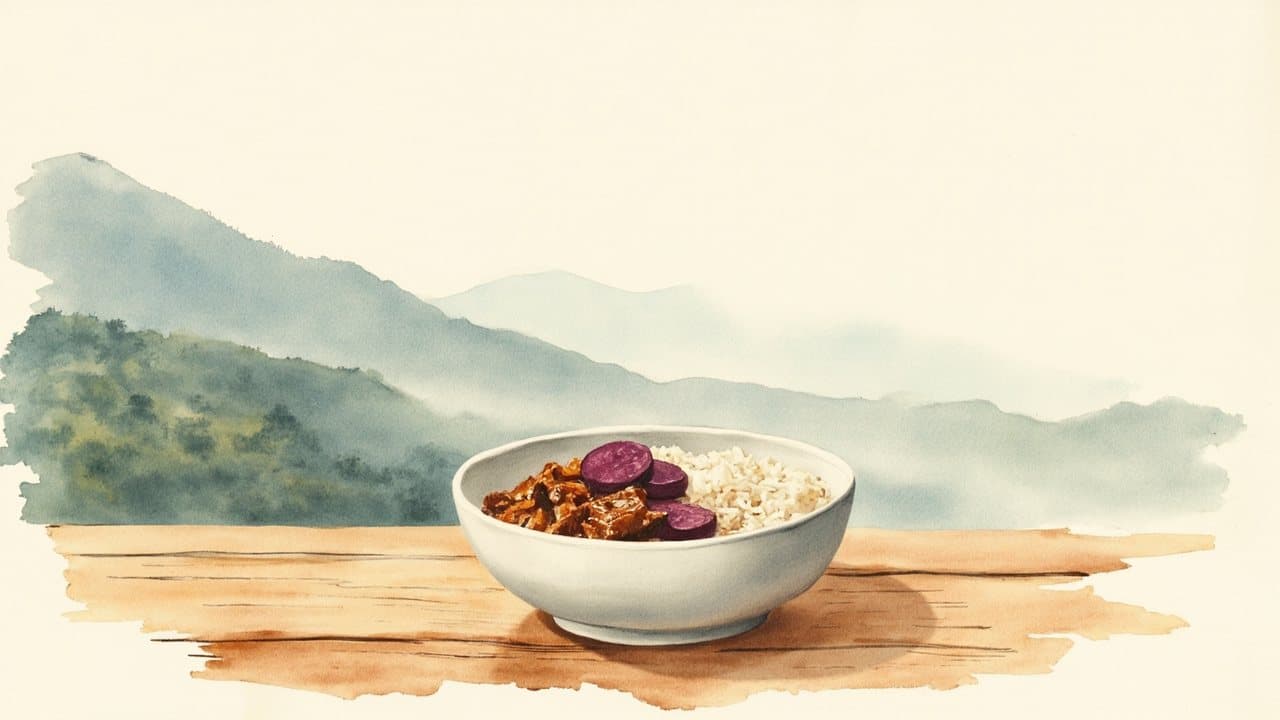
UCLA Fowler Museum panel stirs debate on adobo, rice and authenticity in Filipino food history
A Fowler Museum at UCLA panel co-sponsored by the Philippine Consulate General in Los Angeles examined how rice, adobo and ube fit into Filipino food history, tied to the Mountain Spirits exhibition and Stephen Acabado's new book.
A panel at the Fowler Museum at UCLA on Thursday, Oct. 22, examined the evolving histories of Filipino and Southeast Asian food, the Daily Bruin reported. Global Cuisine: Stirring the Pot and the Past—Southeast Asian Food Stories was co-sponsored by the Philippine Consulate General in Los Angeles.
The panel was held in conjunction with the museum's Mountain Spirits: Rice and Indigeneity in the Northern Luzon Highlands, Philippines exhibition and Stephen Acabado's book Stirring the Pot & the Past: Food Stories and Philippine History. According to the UCLA Center for Southeast Asian Studies, the cookbook is by Acabado and John Sherwin Felix.
Who was on the panel
- Stephen Acabado, professor of anthropology and director of the UCLA Center for Southeast Asian Studies
- Arnoud Arps, a visiting assistant professor who studies cultural memory and heritage
- Marlon Martin of the Save the Ifugao Terraces Movement
- Moderator Vina Lanzona of the University of Hawaiʻi at Mānoa
Rice, adobo and authenticity
Acabado said archaeological evidence suggests rice became a staple of the Philippine diet only 700 years ago, with taro, yams and other crops sustaining communities before then. He said adobo predates Spanish colonization, though it existed under different names, and that its ingredients reflect influences such as soy sauce from China and bay leaves from the Mediterranean.
Martin described an adobo-like dish his grandfather made with fermented fruit in place of vinegar, a soy sauce-based version in the town center, and an American-seasoned version cooked by relatives in New Jersey who still called it adobo.
"Which is the true adobo?" Martin said. "Who defines this authenticity?"
Acabado cited Doreen Fernandez's term "Indigenizing" to describe how pancit and lumpia, though originating elsewhere, became Filipino through local adaptations. Martin said ube's popularity in the United States has influenced how Philippine media portrays its preparation as traditional. "I don't like to call it not authentic," he said. "But it's authentic American ube."
A Filipino spread at the reception
The UCLA event listing said the reception was catered by Titas of Manila and LaaLaaPan Indonesian Cuisine. The Daily Bruin reported that dishes included Filipino ube crinkle cookies and lumpia alongside Indonesian chicken satay skewers and lemper ayam.
Read the web like we doTurn any page into clean, ready-to-use data with FirecrawlKey facts
- The Fowler Museum at UCLA hosted the panel on Thursday, Oct. 22, co-sponsored by the Philippine Consulate General in Los Angeles.
- It was tied to the Mountain Spirits exhibition and Stephen Acabado's book Stirring the Pot & the Past: Food Stories and Philippine History.
- Acabado said archaeological evidence suggests rice became a Philippine staple only 700 years ago and that adobo predates Spanish colonization.
- The reception was catered by Titas of Manila and LaaLaaPan Indonesian Cuisine.
Official sources
Kislap reports this story for general information only. Nothing here is immigration, legal, financial, tax, medical, employment, or other professional advice; check official sources and speak with a qualified professional before acting.